![The Economist [Jul 12th 2025]](https://pub-b77f56491df545e796941af696808dca.r2.dev/images/91f722c0b5/cover.jpg)
Ancient proteins could transform palaeontology
7/14/2025•Science & technology•193

Hormones and mental health
Mental illnesses that do not respond to standard treatment could be hormone-driven
Jul 11, 2025 05:56 PM
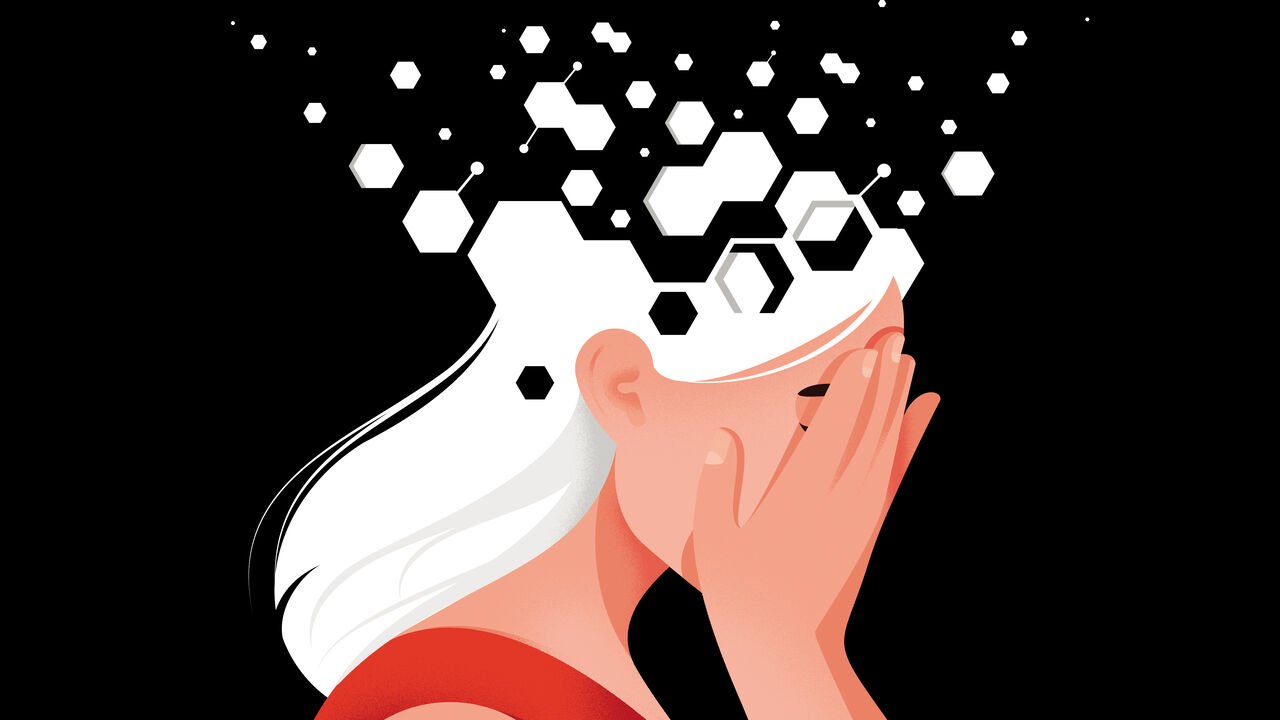
THEIR NAMES are unknown but their pain is nonetheless evident. A user on Reddit, a social-media site, was “fairly close to being just another young man that killed himself because of depression”. On the website of Menopause Mandate, a campaign group, a woman tells of her grief “for the lost years where suicide seemed my only option”.
Both people described poor mental health that had resisted standard treatments. Both, eventually, found their answers where psychiatrists seldom look—their low levels of sex hormones.
Mental illnesses resistant to treatment affect millions of people worldwide. Around a third of those seen by doctors for major depression, for example, are in this category. For some of these patients, an emerging consensus among scientists—bolstered by evidence from years of research on menopausal women—suggests that hormonal deficiencies could be causing their conditions.
From a biological point of view, this connection has been hiding in plain sight. The sex hormones oestrogen, progesterone and testosterone, all of which are produced by both men and women, are known to be potent governors of behaviour, mood and stress. Proteins sensitive to oestrogen are found scattered across many important regions of the brain, and studies have shown that this hormone can enhance memory formation, recall, decision-making and problem-solving. Progesterone and testosterone, meanwhile, exercise a calming effect via interactions with the brain region called the GABA-receptor complex. Other hormones, such as cortisol produced by the adrenal glands and those produced in the thyroid, also play a role in mood and behaviour.
It is evidence from medical practice, though, that is now leading scientists to look more closely at the role of hormones in mental health. Data from menopausal women, particularly from the past five years, have shown that they find relief from symptoms of depression and anxiety (and have therefore needed fewer antidepressants) because of hormone-replacement therapy (HRT). The evidence strongly suggests that a wider group of people—and middle-aged men and women in particular—could potentially benefit from similar hormonal treatments.
Start with men. The Endocrine Society, a scientific group, says that about 35% of men over the age of 45 have hypogonadism, a condition in which their testes produce little or no testosterone; it is rarer for those in their 20s and 30s.
There is a dearth of good data on diagnosis of hypogonadism rates but experts say it is widely underdiagnosed and undertreated. Men with low testosterone often report symptoms such as depression, irritability and cognitive impairment.
Even though testosterone-replacement therapy (TRT) is not in the standard toolkit for treating depression in men, some evidence suggests it may be useful—a meta-analysis of studies on almost 2,000 men in total, published in 2019, showed that TRT was associated with a reduction in the symptoms of depression.
In America the popularity of TRT has risen sharply since 2019, with many men with hypogonadism finding their mental health greatly improved after receiving it. The perception of TRT, however, has become muddied by sloppy prescribing practices and the aggressive promotion of testosterone· as an easy solution for low energy, muscle growth or ageing.
Women in the run-up to menopause—a period known as perimenopause—are another group that may be missing out. Some experience serious mental-health problems. Last year researchers from Cardiff University published an analysis using data from UK Biobank, a research body, of almost 130,000 women who had gone through menopause and who had no history of psychiatric disorders. During perimenopause, the risk of major depression and bipolar disorder increased by 30% and 112%, respectively, compared with the risk of developing the illnesses during their younger reproductive years.
The group is small: some 1,133 women (0.88%) reported new psychiatric conditions during this period. But many more are likely to experience more subtle symptoms, ranging from low mood, anxiety, mood swings and irritability to aching joints and memory problems (often referred to as brain fog). Because these problems may start during a woman’s 40s, and long before the obvious symptoms of menopause, such as night sweats, emerge, the correct diagnosis can be easy to miss.
Enone McKenzie, a consultant psychiatrist specialised in women’s hormonal health at the Soke, a clinic in London, rattles off symptoms that can help identify midlife hormone-driven mood disorders in women. Anxiety, for example, is usually driven by a specific worry or psychological trigger. But women who, for no reason, wake up with anxiety, or feel anxious most of the time and overwhelmed by previously manageable tasks, may have a hormonally driven condition. She also describes a “smiling depression” where women feel fine some days and can be suicidally depressed on others.
Important reproductive transition points, such as the period after having a child, perimenopause and menopause itself are also times at which women are likely to relapse from psychiatric conditions they thought they had recovered from. Katie Marwick, a consultant psychiatrist for NHS Lothian, in Scotland, says that women may seem absolutely fine but then, as perimenopause approaches, have serious episodes of illness that can affect their relationships and jobs. And some women can also experience serious declines in mental health during their monthly menstrual cycles.
There is still little awareness among patients and doctors of mental-health conditions related to hormonal changes in both men and women. But researchers are taking heed. A new study, Our Future Health, will look in detail at the health of 5m Britons. Dr Marwick hopes to use this data to find out the extent to which women’s mental health is affected by reproductive transitions, and determine the risk of psychiatric admissions during perimenopause. It may be possible to work out if genetic variants that heighten sensitivity to hormones exist. That could give clues to the molecular mechanisms at work in hormone-related mood disorders and inspire new treatment ideas.
Doctors and psychiatrists also need to pay more attention. In trying to diagnose mental-health problems, clinicians routinely evaluate their patients for psychological, social and lifestyle factors. Hormones are rarely scrutinised.
Whereas in men a blood test can easily determine low testosterone levels, testing sex hormones in women is far harder, because their levels can fluctuate more widely from day to day. Questions from doctors that probe a woman’s sensitivity to changes in hormones, therefore, including asking whether she has suffered mental-health effects from hormonal contraception, can be helpful.
There is still a lot to learn. How sensitive a person’s body is to their hormone levels may, in some cases, be more important than what those levels actually are. This sensitivity, in turn, may depend on how a person’s other bodily systems, such as metabolism and immunity, are working. Sleep can be another contributing factor. “Sex hormones exist to optimise us for reproduction and that needs a lot of systems to co-ordinate,” says Dr Marwick.
How many mental-health conditions are driven by hormonal factors is hard to know. But there is clearly enough evidence to take hormones and their effect on the mind more seriously in both sexes. HRT was, for a long period, viewed suspiciously because of an unreasonable alarm over its safety. Its rehabilitation has been a boon for menopausal women, their families and society more broadly. Embracing hormones as a potential treatment for mental illness could help more women, and men, across much more of their lives. ■