![The Economist [Jul 12th 2025]](https://pub-b77f56491df545e796941af696808dca.r2.dev/images/91f722c0b5/cover.jpg)
ICE’s big payday makes mass deportation possible
7/14/2025•United States•53

Hormonal men
A legion of new health clinics are serving it up
Jul 10, 2025 05:12 PM | ATLANTA
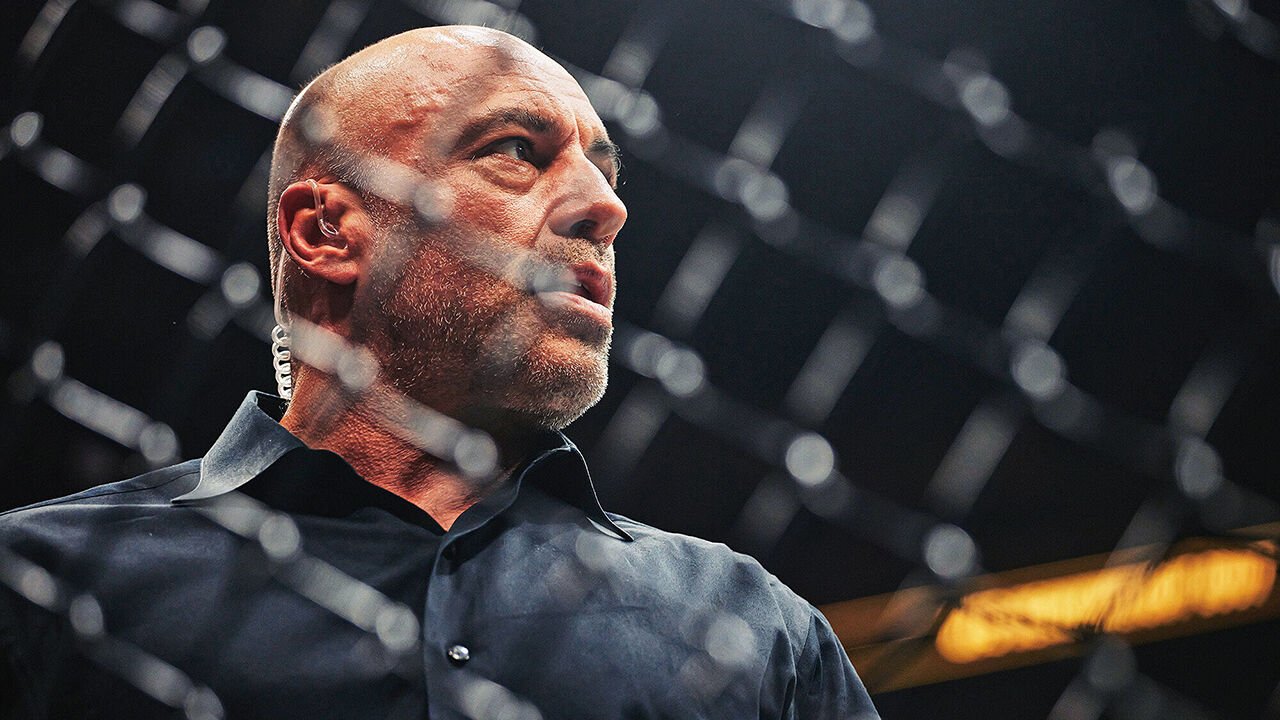
Joe says it is so
ARE YOU struggling to be the man you were always meant to be? You might have low testosterone. Walk into Gameday Men’s Health clinic and you will find yourself in their “man cave”, a waiting-room decked out with black leather armchairs, televisions and a well-stocked fridge. A nurse practitioner will do a blood test and check if your testosterone levels are normal. If you are indeed deficient—or if you’re technically not but you’re experiencing symptoms of exhaustion, depression or trouble putting on muscle and having stamina during sex—they can inject you with your first dose of testosterone within the hour. Refer a friend for $50 off your next weekly treatment.
The Gameday clinic in the ritzy Buckhead neighbourhood of Atlanta, Georgia, opened in April last year as the company’s 50th franchise. In the 14 months since, another 325 have been launched across the country. This represents a burgeoning American health trend. Between 2019 and 2024 prescriptions for testosterone jumped from 7.3m to 11m. In Texas, the hub for testosterone-replacement therapy (TRT), a medical treatment that artificially increases hormone levels and Gameday’s most popular service, there were more scripts filled in the final quarter of last year than in all of 2021. Because hormone levels naturally fall as people age, middle-aged men inject it at higher rates than anyone else. But the demographic group that is taking to it fastest is men under the age of 35.
Like many wellness fads, the testosterone craze aims to fix a real medical problem. There is some evidence that men today, on average, have lower testosterone levels than men did decades ago, thanks to higher rates of diabetes, obesity, opioid use and more exposure to environmental toxins. That makes them feel lousier than they ought to. According to Mohit Khera of Baylor College of Medicine in Houston, 92% of men with low testosterone suffer from depression and a simple blood test can change their lives for the better. Hypogonadism·, the condition, too often goes undiagnosed. Injections can dramatically improve mood, sleep and libido and reduce body fat. Clever entrepreneurs, like Casey Burt of Gameday Buckhead, reckon that the market is still partially untapped: doing away with the stigma around sexual health will reveal more patients who genuinely need care.
Its loudest proponents, however, are not doctors. Joe Rogan, America’s top podcaster, touts it to his 20m listeners as a way to help men feel younger. Dax Shepard, an actor and podcaster, says that “heavy testosterone injections” helped him gain 24 pounds of muscle. “I spent my whole life as a medium boy and now I’m a big boy and I like it,” he says. (Because it is a steroid that very effectively improves athletic performance, testosterone is banned in most professional sports.) Buff gym-bros and “biohackers” inject themselves on TikTok while telling their audiences that they should be on “T” even if their doctor disagrees. This fits with the Make America Healthy Again movement, which has made distrust of conventional medicine conventional. Indeed Robert F. Kennedy junior, the health secretary, has set aside his habitual scepticism of injections to go on TRT as part of an “anti-ageing protocol”.
According to the American Urological Association, a quarter of the patients receiving TRT last year did not have their testosterone levels checked before starting treatment. Of those who were given TRT, a third were not in fact testosterone deficient. Akanksha Mehta, a doctor at Emory University, says she turns away almost 50% of the men who come asking for it; Gameday treats almost everyone.
How bad is it for people who don’t need testosterone to be on it? Compared with other drugs it is relatively safe, as long as it is not taken in body-building doses. A big clinical trial published in 2023 found that taking testosterone does not increase the risk of prostate cancer or heart attacks, as was thought. But it can cause infertility, if another hormone is not given alongside it. Doctors often see young men who come in at “supraphysiological” levels who do not know that they have made themselves infertile. “There is a lot of anger,” says Ms Mehta. Mr Khera, the Houston doctor, reckons that in most cases he can restore fertility back to 25% of a patient’s baseline. But “when someone drops down that low it can be an issue”, he says.
The men’s clinics also vary in their quality of care—and the quality of drugs. Online retailers like Hone, Hims, Maximus and DudeMeds do not require in-person check-ups and often get patients hooked on subscriptions. Some clinics require multiple diagnostic blood tests, following medical standards; others do not. Gameday aims to “optimise” how men feel, and argues that men within the normal range can still benefit from treatment. Many clinics, with exceptions like the Low T Center chain in Texas, get their testosterone supply from compounding pharmacies rather than pharmaceutical firms. That means that the drugs are cheaper—TRT is rarely covered by insurance—but also not approved by the government’s Food and Drug Administration. Compounded testosterone is more likely to be contaminated and can fluctuate in potency per dose. Getting the safest stuff has also become harder. Pfizer, a big domestic supplier, recently reported a shortage of testosterone due to rising demand.
The majority of testosterone businessmen your correspondent spoke to said that they were doing things right, but others were dragging the industry into shady territory. Mr Burt of Gameday Buckhead says that making money from people’s health, as all ordinary doctors do, is in itself “an ethical balancing act” but that “doesn’t mean we should be more criticised than any other profession”. Like ketamine, testosterone is a Schedule III drug with a robust black market. In recent years customs agents have seized large caches of it at America’s borders. “There is a massive demand and it’s going to get met,” Mr Burt explains. It’s just a matter of whether it’s met at a clinic or at the gym. ■