![The Economist [Jul 12th 2025]](https://pub-b77f56491df545e796941af696808dca.r2.dev/images/91f722c0b5/cover.jpg)
America cannot dodge the consequences of rising tariffs for ever
7/14/2025•Leaders•15
Land of frowns
The kingdom is stagnating while its elites squabble
Jul 10, 2025 03:13 PM
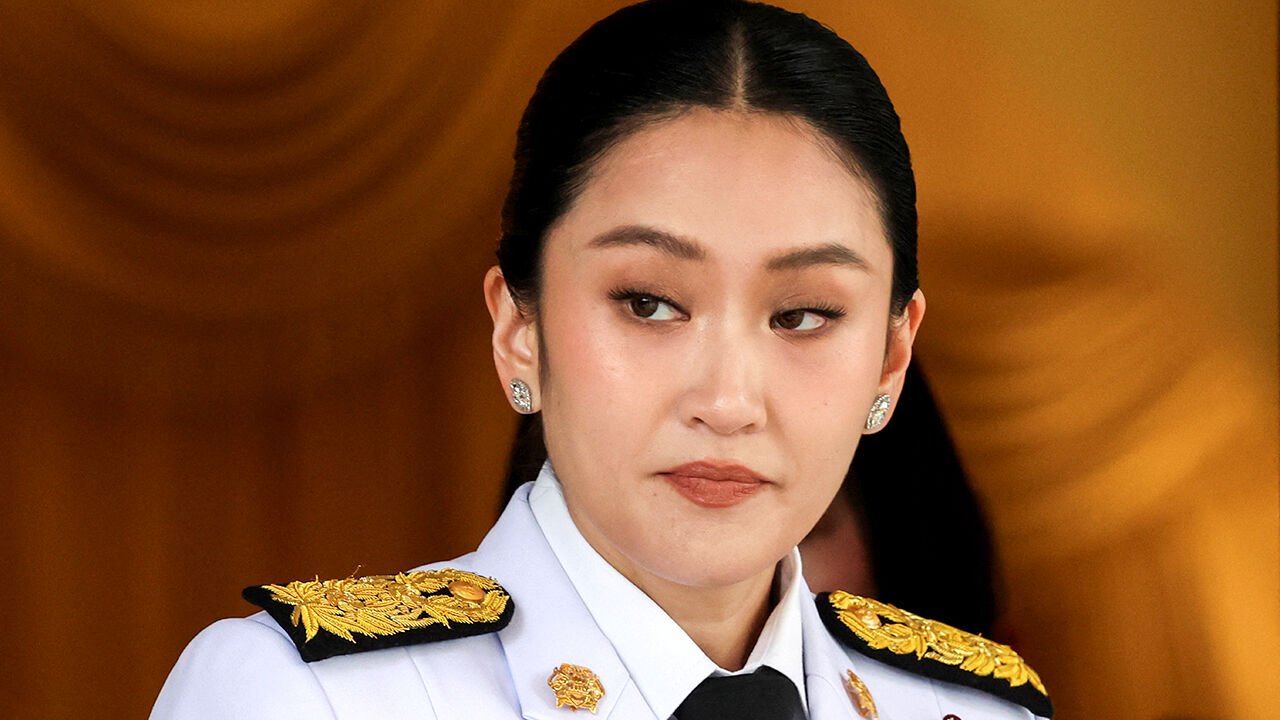
IN THEORY IT was a phone call that landed Thailand’s prime minister, Paetongtarn Shinawatra, in trouble. Last month someone leaked a recording of her speaking to Hun Sen of Cambodia about a border dispute. Critics said she sounded subservient and had disparaged Thailand’s armed forces. In early July Thailand’s constitutional court said her words may have breached ethics rules; it suspended her from office, pending further inquiries. The deputy prime minister is serving as caretaker while everyone works out what to do next.
There is no doubt that Ms Paetongtarn has made costly mistakes. She got the job largely because she is the daughter of Thaksin Shinawatra, a tycoon who ran Thailand between 2001 and 2006; in office for less than a year, she has often looked green. Yet anyone who thinks the reason for her travails is her phone manner is also being naive. Thailand’s ruling establishment—its army, the palace and assorted other magnates—has long felt entitled to sack politicians whenever they believe their own interests are under threat.
For decades these elites have worked hard to make sure that Thailand’s democracy is never much more than a veneer· . The army has launched a dozen successful coups since the 1930s, including in 2006 and 2014. More recently, the powers that be have been using friendly constitutional judges to make sure no one can change the country in ways they might dislike. After a general election in 2023, stooges in the Senate prevented Move Forward, a party of young liberals that had won the most seats, from forming a government. This promising grouping was dissolved by order of a judge, and its leaders banned from politics for ten years.
Instead of the people it voted for, the country ended up with the fractious and failing coalition government that Ms Paetongtarn had, until this month, been leading. It throws pro-army factions together with Pheu Thai, a populist party founded by Ms Paetongtarn’s father that once claimed to speak for the poor but which no longer seems fussed about them. For a while Thailand’s generals (who have twice before ousted Mr Thaksin’s lot) appeared to find this arrangement convenient. But lately they have again been unable to let the politicians get on with their jobs. Ms Paetongtarn came to office last August only because her predecessor was turfed out for breaching vague “ethics” rules. Now she herself may fall in a similar way.
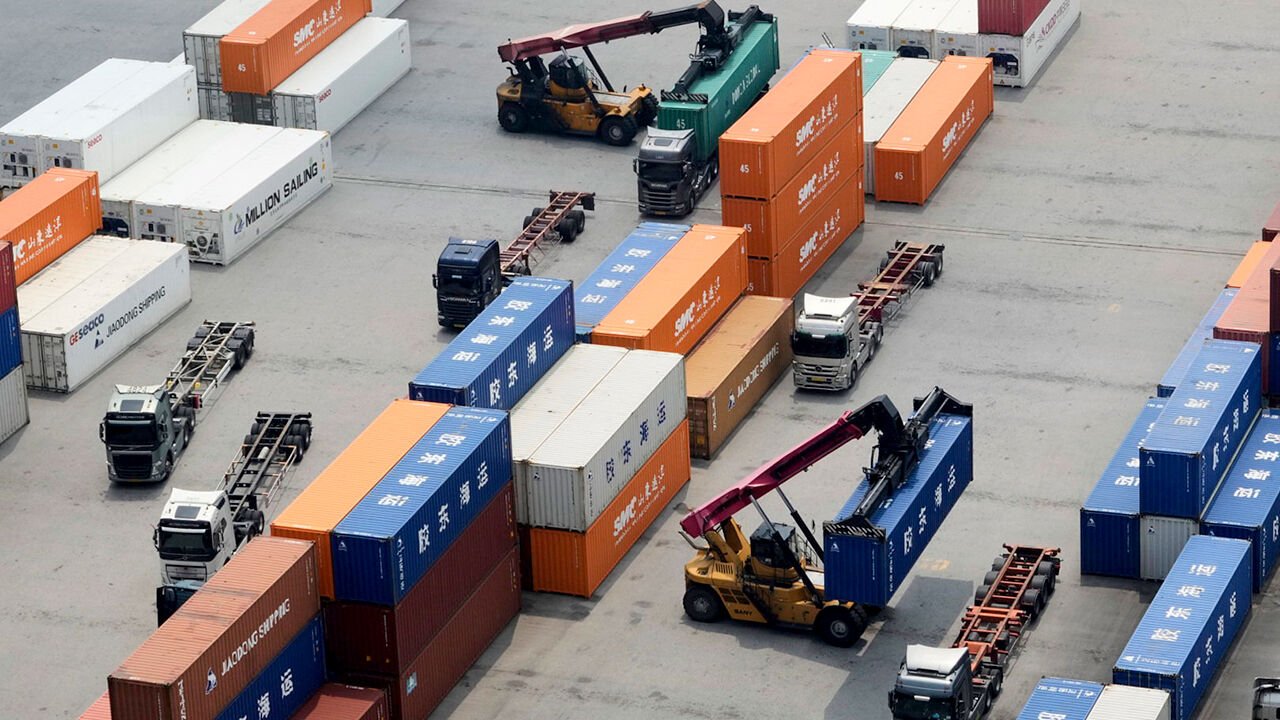
While the elites squabble, Thailand is stagnating. Its economy is expected to grow by 1.8% this year, down from 2.5% in 2024. Tourism arrivals fell in the first half of 2025; the numbers coming from China sank by a third. Exports to America, one of Thailand’s biggest trade partners, risk being whacked with high tariffs. And leaders have made no headway on big underlying problems, such as a shockingly anticompetitive environment for business. This is all the more tragic given Thailand’s many advantages: its relative wealth, a sophisticated middle class and breathtaking landscapes.
Back-room negotiations could soon install a new prime minister. If so, he or she would be the third in 12 months. Yet if this wrangling fails—or, more probably, if the fix proves short-lived—frustration and protests are likely to mount. And that could become a pretext for yet another coup.
What Thailand really needs are fresh elections: fought freely, with the winning party given every opportunity to form a coalition that can actually govern. When Thais return to the ballot boxes, the young liberals from Move Forward—many of whom have regrouped as the People’s Party—will once again do very well. Their resilience is a reason to be optimistic about Thailand’s future, even when much else looks grim. Unfortunately, Bangkok’s old guard look no more willing than before to loosen their grip on the levers of power. If they really cared for their country, they would. ■