![The Economist [Jul 12th 2025]](https://pub-b77f56491df545e796941af696808dca.r2.dev/images/91f722c0b5/cover.jpg)
After another leader is brought low, Thailand’s voters need a real choice
7/14/2025•Leaders•11
Hormones
If they can be liberated from ignorance and hucksterism
Jul 10, 2025 03:12 PM
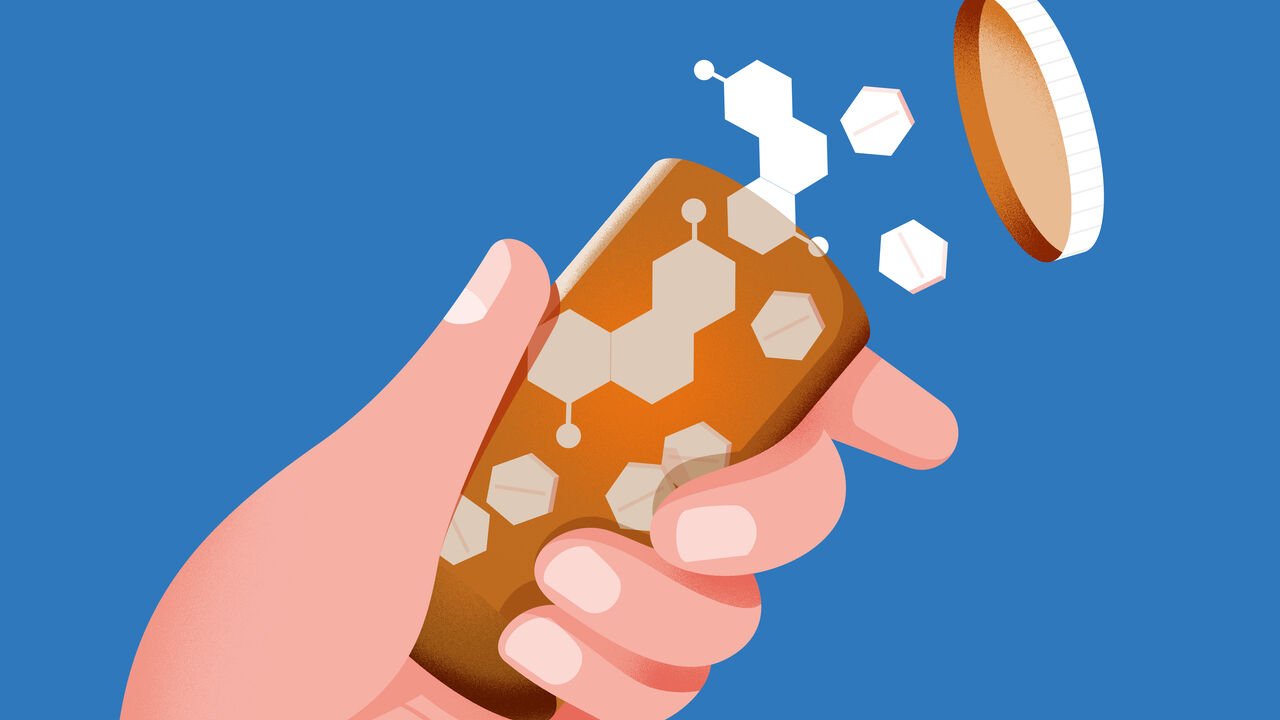
POOR MENTAL health is a scourge. Prescriptions for anti-depressants and anti-anxiety medicines have soared in rich countries in recent decades. Yet they do not work for everyone. Perhaps a third of people with serious depression, for instance, report that drugs seem to have little effect. Doctors are therefore beginning to look further afield.
As we report this week, one promising area is hormone therapy·. The idea is to boost levels of naturally occurring hormones in patients’ bodies—and in particular, to tweak sex hormones such as oestrogen, progesterone and testosterone. New ways to treat mental illness should be celebrated. Making the most of them, however, will involve dispelling the poor reputation that hormones have gained over the years.
Hormone-replacement therapy (HRT) is best known as a treatment for the physical symptoms, such as hot flushes or night sweats, that come with menopause, when a woman’s levels of oestrogen and progesterone drop. But, as any parent of teenagers will tell you, hormones can influence the mind as well as the body. Evidence suggests that restoring hormone levels can sometimes ease symptoms of many disorders, including depression and schizophrenia, that have resisted other treatments.
It is not just women who can benefit. Men do not experience anything like the fluctuation in hormones tied to various life stages such as menopause. But many (perhaps a third of older men) seem to have lower levels of testosterone than they should. There is growing evidence that giving those men extra testosterone can help with mood disorders, too.
The problem is that many patients—and even some doctors—remain wary of hormonal treatments, because of their bad name among the public. Excessive worries about a small increase in breast-cancer risk have dogged women’s HRT since the early years of this century. Even now, only 5% or so of menopausal women in America take it. This situation is not helped by the persistence of the naturalistic fallacy, which holds that what is natural—like the menopause and male ageing—must be good, and so is not in need of treatment.
With testosterone replacement in men, the problem is too much enthusiasm among people who want cosmetic rather than medical benefits. Testosterone is a potent performance-enhancing drug. In America, in particular, an industry has emerged to sell the hormone to middle-aged men·. Rife with hucksters and Instagram influencers, it pitches testosterone as a fountain of youth: a way to pack on muscle, restore sex drive and generally turn back the clock on ageing. Less is said about the downsides: that testosterone causes infertility, say, or that high doses are bad for your heart. Even the clinics themselves admit that shady prescribing is driving the industry into disrepute, though many say their rivals are to blame.
For the testosterone business, better regulation is the place to start. Clinics should be required to test their customers and clearly spell out the downsides. For women, awareness is the key. Fears about HRT and breast cancer have been overplayed; and anyway, HRT brings health benefits by, for example, cutting the risk of osteoporosis. When it comes to mental health, hormonal treatments should undergo clinical trials to identify which patients stand to benefit: because hormones are cheap, the gains could be huge. If patients can be made less wary of sex hormones, many more people could be helped by them—for ailments of the mind as well as of the body. ■