![The Economist [Jul 5th 2025]](https://pub-b77f56491df545e796941af696808dca.r2.dev/images/a83a06e767/cover.jpg)
A YouTuber kicks up a stink over a flatulent “reaction” video
7/14/2025•Culture•198

Take their word for it
Celebrities have been in the business of recommending books for nearly a century
Jul 03, 2025 01:54 PM
Read it and keep
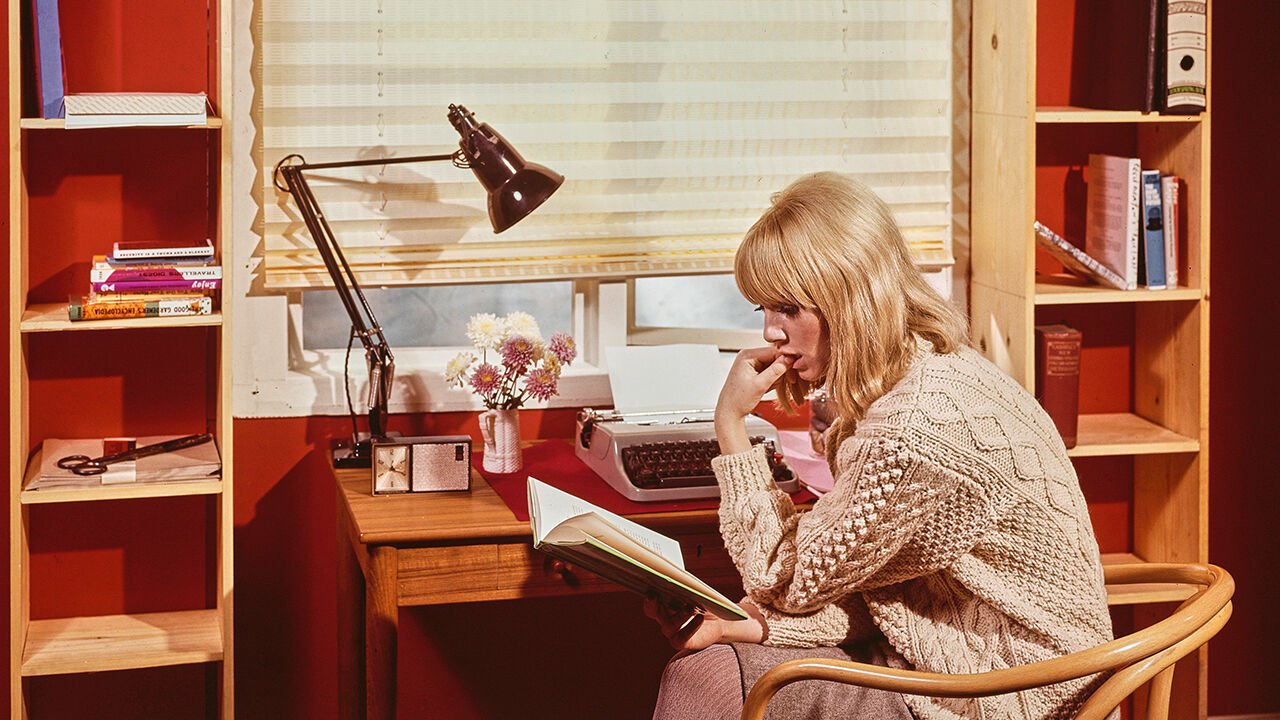
Recommended! By Nicola Wilson. Holland House Books; 300 pages; £15.99
THESE DAYS it seems every celebrity wants to put their name to a book club: among the rich and famous, they are as common as private jets, non-disclosure agreements and Ozempic. Reese Witherspoon, an actor, wants women to read—or, to be more precise, she wants them to embrace the power of “book joy”. Oprah Winfrey, a media personality, hopes her recommendations will “spark enlightenment”. Dua Lipa, a pop star, wants people to “read the world differently”. Kaia Gerber, a model, strives to create “rage readers”. (She does not explain what those are, nor why they would be desirable.)
Celebrity book clubs may be a feature of 21st-century fame, but they have a long lineage. The first such club in Britain, the Book Society, began in 1929. It featured recommendations from intellectuals such as Hugh Walpole and J.B. Priestley and had a practical aim: to enable “the discovery of notable new writers” and to get people to buy books. As similar clubs sprang up in America and Europe in the early 20th century, there was “a quiet revolution” in book-buying habits, writes Nicola Wilson, an academic, in “Recommended!”.
From the outset the Book Society was ridiculed in some circles. Its judges were mocked as “middlemen” with “a taste for the second-rate”; their recommendations, detractors proclaimed, flattened culture and encouraged idleness. (This attitude persists today, as critics lampoon “the celebrity book-club mafia” for discouraging “serious readers” and “original thought”.) Yet the Book Society endured for almost 40 years. It promoted a new title each month, guiding and entertaining readers through the Depression and the second world war.
Before the Book Society most Britons believed, as H.G. Wells, a writer, put it, “that it is extravagant and wrong to own books”. Even well-to-do readers used lending libraries to borrow desired titles. The club suggested books were an investment and that it would help you assemble a “library for yourself and your children”.
At its peak the club had more than 10,000 members across 33 countries—including five queens. Its selections spanned genres including memoir, thrillers and political fiction. It helped make bestsellers of Francis Hackett’s “Henry the Eighth”, a hefty history book, and novels such as Evelyn Waugh’s “Brideshead Revisited”.
When the Book Society folded in 1968 after financial difficulties, its records were lost. The author has meticulously parsed private papers and publishers’ archives to piece together the club’s forgotten history. Her effort is commendable, but at times the reader wishes that the material had been more judiciously edited.
Though the book is closed on the Book Society, its influence is everywhere. Curated reading lists are more popular than ever: people get recommendations not only from celebrities, but from bestseller lists and literary influencers on TikTok. The Book Society won over the sceptics. “I hate you so much that I am beginning to like you,” a member confessed in the 1930s. Now that’s what you call a rage reader. ■


![The Economist [Jul 12th 2025]](https://pub-b77f56491df545e796941af696808dca.r2.dev/images/91f722c0b5/cover.jpg)