![The Economist [Jun 28th 2025]](https://pub-b77f56491df545e796941af696808dca.r2.dev/images/a41d4b2bc2/cover.jpg)
“F1 The Movie” is a very expensive promotional film
7/14/2025•Culture•196

Frame of mind
Fenix, in Rotterdam, lets visitors make up their own minds
Jun 26, 2025 12:44 PM | ROTTERDAM
WITH NATIVIST political parties riding high all over the world, it is not an easy time to celebrate immigrants. The Netherlands has had a reputation for welcoming refugees since the 16th century, but in the 21st it has been riven by arguments over Islam and multiculturalism. The Party for Freedom, led by Geert Wilders, a xenophobic rabble-rouser, came first in the most recent election; earlier this month Mr Wilders brought down the government in a spat over asylum-seekers.
Amid this furore, the Fenix museum has opened in Rotterdam. It is the first institution in the world to explore migration through art. That may sound like an odd approach: why use art when there are so many fascinating archival materials? Given how pretentious some artists are, their works might need long written explanations for visitors to understand how they relate to the theme.
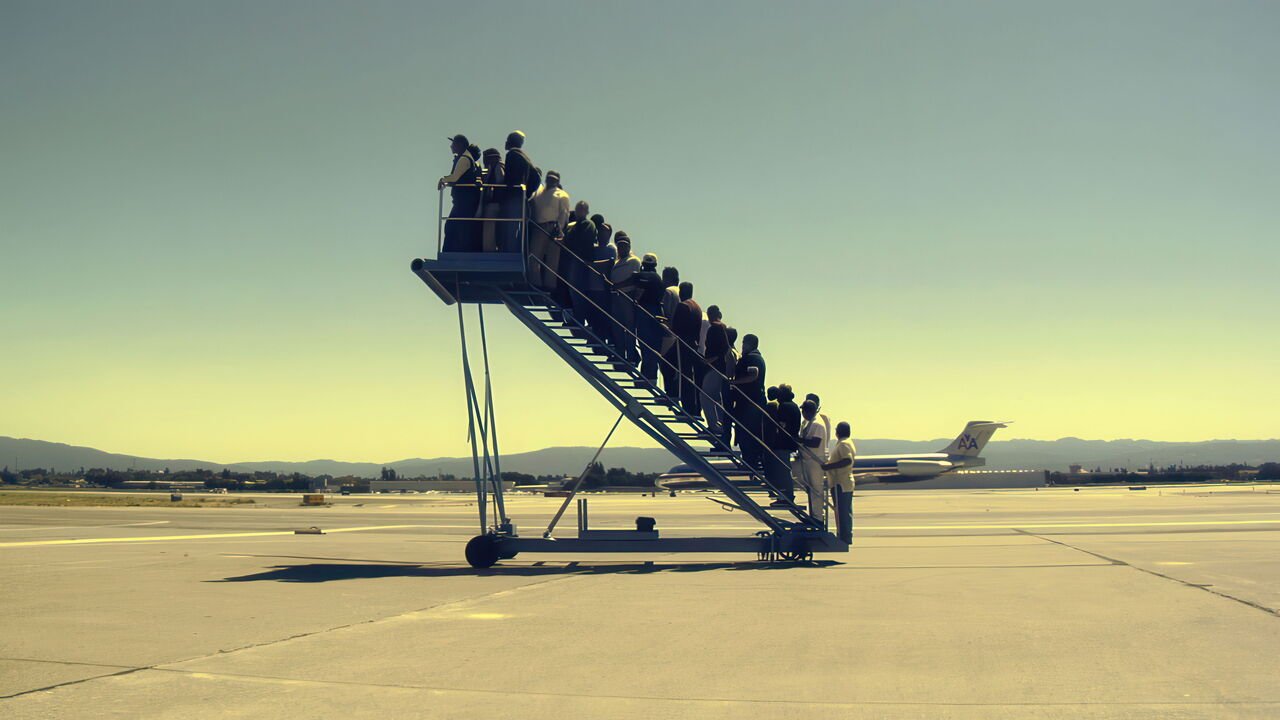
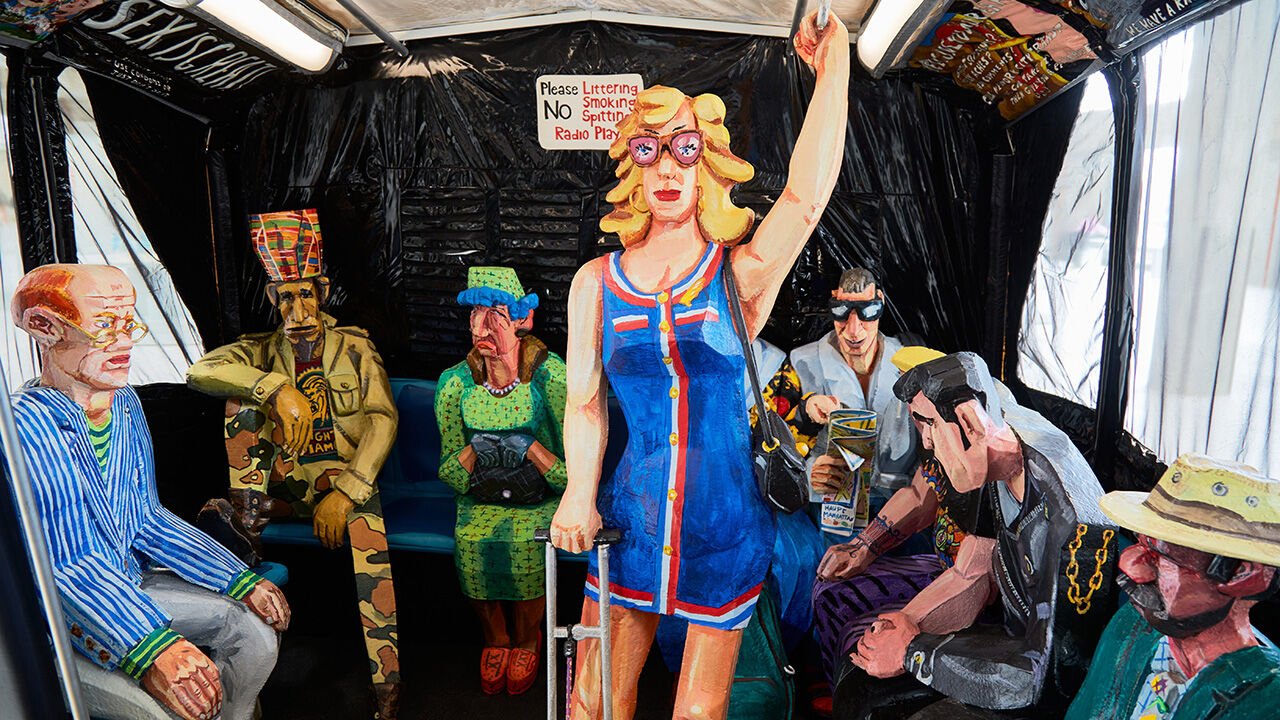
Yet Fenix manages to be accessible without being dogmatic. Confronted with Red Grooms’s “The Bus” (1995)—a life-sized New York City bus and its ethnically diverse passengers, made of fabric, foam and wood—the visitor draws the connection to migration instantaneously. A film by Adrian Paci shows people waiting for an aeroplane that, like Godot, never comes. “We’re really focusing on the emotions of migration: homesickness, saying farewell, starting a new adventure,” says Anne Kremers, the museum’s director. “We ask questions. We will not tell you how you should think.”
Fenix is located in a former warehouse of the Holland America Line, a cruise-ship company, and backed by a foundation established by the family that owns the firm. Around the turn of the 20th century the company’s steamships ferried hundreds of thousands of European emigrants to America. The Maas river waterfront was full of transit hotels where passengers fresh off the train from eastern Europe underwent health inspections before setting off for the new world. Today it is a chic gallery district full of modernist high-rises.
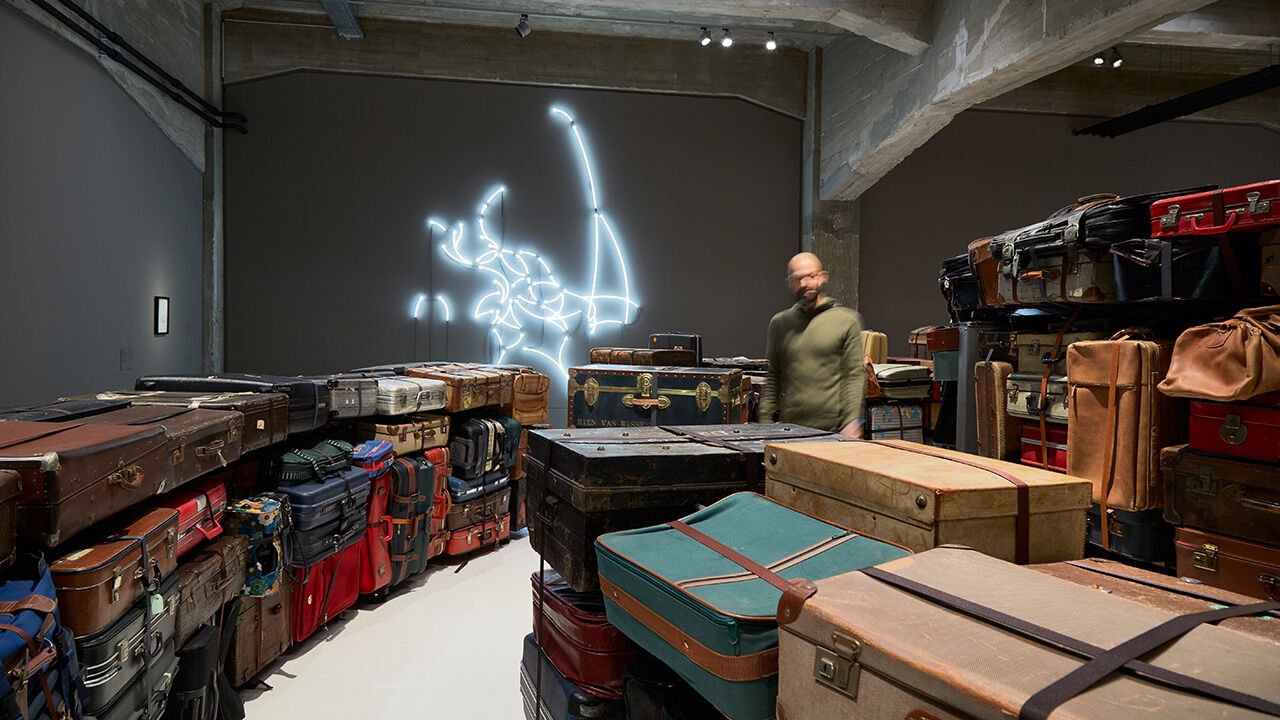
Rotterdam is Europe’s biggest port. The majority of its 650,000 inhabitants have immigrant backgrounds, many from former colonies in Indonesia and the Caribbean, others from North Africa and Turkey. Fenix’s ground floor hosts a maze constructed of old suitcases collected from travellers who passed through Rotterdam: hold a device to a tag on the handle and it tells the suitcase’s story. The initial plan was to devote half of the museum to such personal artefacts. But as the project developed, the art came to dominate.
Despite the unpopularity of the topic in many quarters, there are an increasing number of migration museums, all shaped by their countries’ histories. The one in Paris occupies a hall built in 1931 for ethnological exhibitions, and looks at immigration to France from its former colonies and other countries. The museum on Ellis Island in New York tells the stories of the millions for whom it served as America’s port of entry. EPIC, an emigration museum in Dublin, covers Ireland’s global diaspora.
Focusing on art makes sense in the homeland of Rembrandt, Mondrian and van Gogh. But it is also a canny way to bypass polarised debates. The European Conservative, a hard-right magazine, took umbrage at the Fenix museum for failing to denounce mass immigration. Yet reviews have been mostly positive. Elsevier Weekblad, a conservative Dutch weekly, praised Fenix for eschewing trigger warnings and letting viewers decide what to think.
As Fenix shows, migration is an enduring subject: photos by Robert Capa from the Spanish civil war and James Nachtwey from Ukraine use identical motifs of processions of refugees, as do a 19th-century relief by Honoré Daumier and ancient Roman friezes. By choice or not, people have always been on the move. ■



![The Economist [Jul 12th 2025]](https://pub-b77f56491df545e796941af696808dca.r2.dev/images/91f722c0b5/cover.jpg)